
The 6 challenges when approaching DOOH
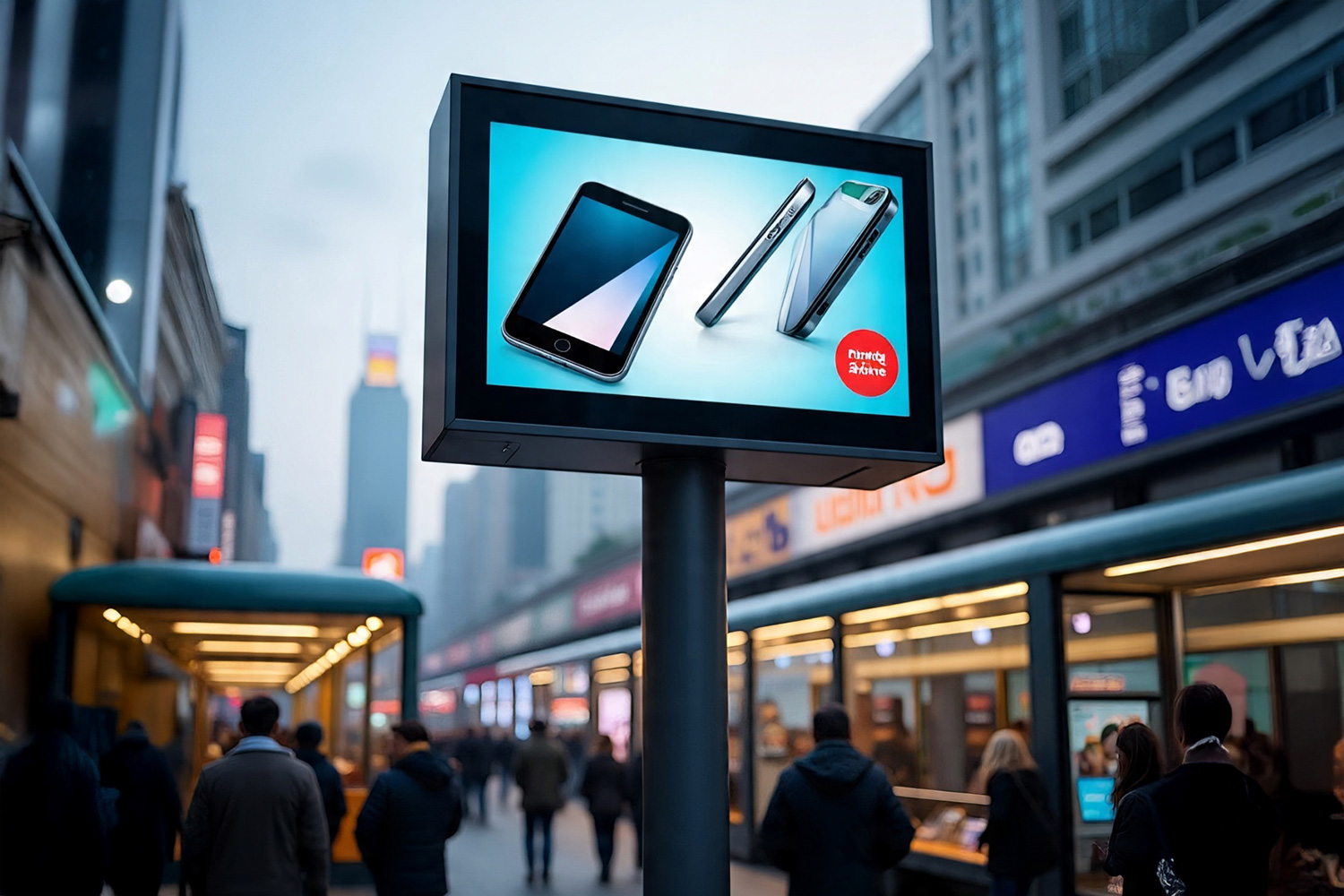

While a well-placed and well-designed digital billboard can stand out and leave a lasting impression, it’s not just about buying space—it’s about building a strategy. That’s what OOH Today says agencies are missing. So, while it’s crucial that design is effective, there are also 6 areas to improve to achieve the desired reach.
Size, visibility, and reach capacity
To influence consumer behavior and reinforce brand perception in seconds, an integrated approach is needed, including: colors, which evoke emotional responses; typography, which must be instantly readable and help establish brand personality; and images, which can convey emotions and narratives, reinforcing and amplifying the main message without overwhelming it. The key is not just to be seen, but to be remembered; not to fill space, but to design with intention.
When DOOH is data-rich, measurable, and capable of delivering real performance, according to OOH Today, the failure lies in the approach, which requires a mindset and toolset shift from agencies:
- Stop pigeonholing outdoor advertising as a strategy purely focused on awareness and disconnected from performance.
- Don’t accept client assumptions and preconceived ideas, especially regarding channels like outdoor advertising.
- Lack of sophistication in segmentation, even with potential triggers like weather or events.
- Neglecting the alignment between creativity and context, without adapting to format, environment, exposure time, and audience behavior.
- Treating DOOH as the last piece of the campaign puzzle.
- Spending money on random digital screens without understanding pedestrian traffic patterns, context, or brand alignment.