
The future of programmatic 2025
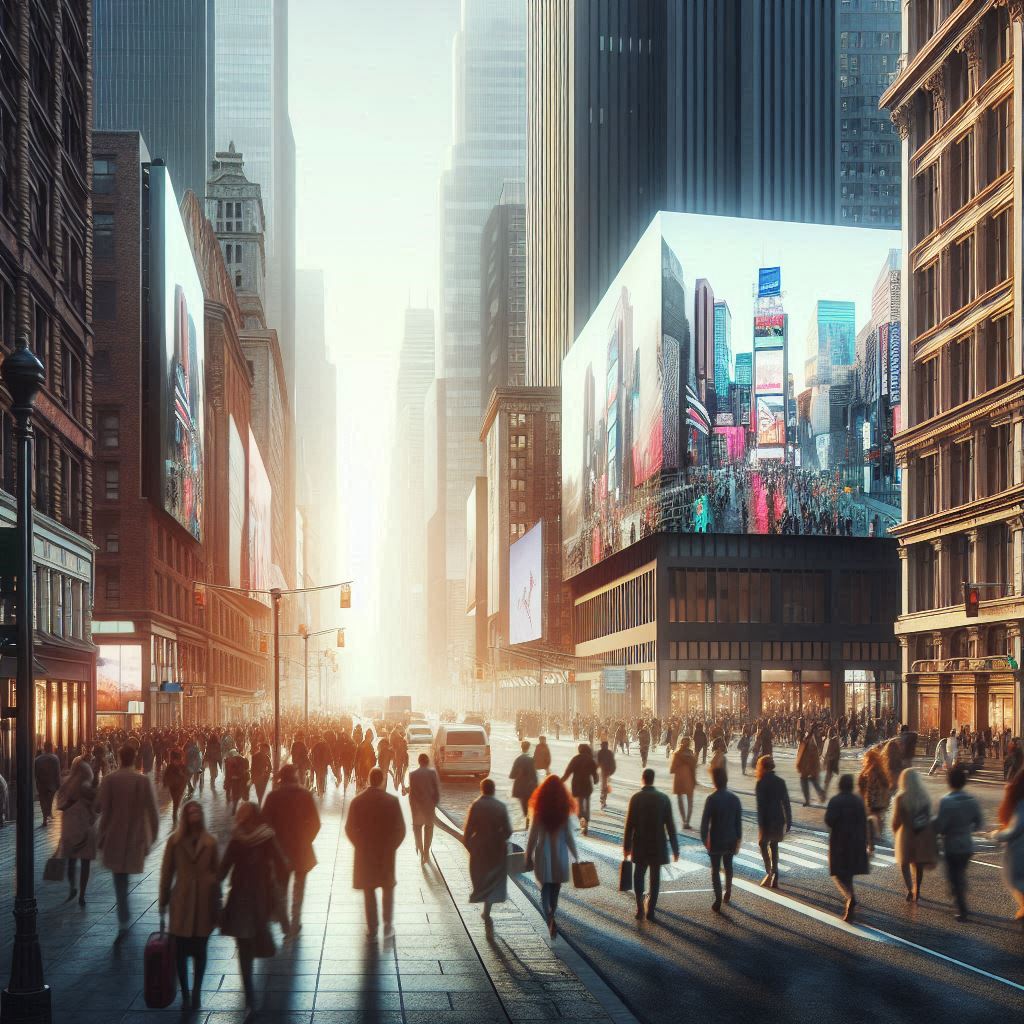

A new WARC study explores the main trends shaping programmatic advertising, offers a market overview, and shares in-depth analysis of specific developments; meanwhile, the return of people to the streets redefines the use of commercial zones.
Challenges and opportunities
According to WARC, programmatic advertising is becoming smarter, more precise, and privacy-respecting, while facing challenges in transparency and sustainability.
They note that with the end of third-party cookies, advertisers are adopting other strategies, such as first-party data (over 75% of respondents already use it) and contextual targeting (based on the content users consume, without invading privacy).
Another key point is the evolving role of AI. Artificial Intelligence is becoming a cornerstone of programmatic advertising, optimizing campaigns in real time, helping comply with privacy regulations, improving brand safety with more accurate analysis, and generating thousands of personalized ad variations instantly.
Although overall advertising investment growth is slowing, programmatic advertising remains a bright spot, with projected investment reaching $779 billion by 2028. The most promising channels will be Retail Media, CTV, and DOOH. In fact, programmatic DOOH advertising is gaining significant momentum, with approximately half of Digital Out Of Home campaigns currently being purchased this way.
More pedestrians watching ads
Meanwhile, the urban transformation from vehicle streets to pedestrian spaces not only improves urban experience but also creates new opportunities for DOOH advertising, as pedestrians have more time to observe their surroundings.
Thus, digital urban furniture (with screens integrated into benches, bus stops, or information panels) increases ad visibility, as long as they are well placed and respectful of the environment. Outdoor advertising must adapt to be useful, aesthetic, and innovative.